Aspen Winter Conference 2027

Adaptive Quantum Circuits

From Nonequilibrium Many-Body Physics to Quantum Information Processing

March 21–26, 2027 · Aspen Center for Physics

A focused winter conference on adaptive quantum circuits—where mid-circuit measurements condition subsequent operations—bringing together quantum information science, condensed matter, and AMO physics to explore adaptivity as both a tool for quantum technologies and a platform for new many-body physics.

About the conference

Adaptivity as a tool for quantum technologies and a platform for new physics

Adaptive quantum circuits, in which mid-circuit measurements are used to condition subsequent quantum operations, are rapidly becoming available across several experimental platforms. These circuits offer a promising route from noisy intermediate-scale devices toward early fault-tolerant quantum technologies, with potential applications to state preparation, quantum algorithms, and error correction.

At the same time, adaptive circuits provide a versatile setting for exploring nonequilibrium quantum matter. They exhibit measurement-induced phase transitions, novel mixed-state phases with long-range or topological order, and deep connections to classical dynamical systems, statistical mechanics, and field theory. Understanding which features of these phenomena are intrinsically quantum, experimentally observable, and useful for computation is a central challenge for the field.

This conference will bring together researchers from academia and industry working at the intersection of quantum information science, condensed matter physics, and AMO physics. Topics will include adaptive quantum algorithms, near-term experimental implementations, measurement-induced criticality, mixed-state phases and topology, quantum error correction, and the stability of adaptive protocols to noise and imperfections. By placing theoretical developments in direct contact with emerging experimental capabilities, the meeting aims to clarify the role of adaptivity as both a tool for quantum technologies and a platform for new many-body physics.
Scientific themes

Topics in focus

Talks and discussions will span six interconnected topics at the intersection of quantum information science, condensed matter, and AMO physics.

01

Adaptive quantum algorithms

Algorithms that adapt in the middle of a computation to use measurement and learning in the planning of their next move. We will explore how measurement-conditioned operations can aid state preparation, reshape algorithm design, and open practical routes toward early fault-tolerant computation.

02

Near-term experimental implementations

Adaptive circuits are no longer a theorist's dream. This topic focuses on how they can be realized on present-day quantum hardware, what different platforms make possible, and which predicted phenomena can be observed before noise swamps out the signal.

03

Measurement-induced criticality

Measurement can be more than a witness; it can be an actor. Measurements compete and cooperate with unitary dynamics to produce entanglement transitions, critical behavior, and new organizing principles in nonequilibrium quantum matter.

04

Mixed-state phases and topology

Even when quantum states are monitored, noisy, or mixed, they may still arrange themselves with remarkable structure. This topic explores long-range order, topology, and phase structure beyond pure-state equilibrium, with links to statistical mechanics, field theory, and classical dynamics.

05

Quantum error correction

Error correction turns measurement outcomes into instructions for protecting quantum information. We will discuss decoding, feedback, logical qubits, and the ways adaptive protocols can help fragile quantum states remember what they were meant to be.

06

Stability to noise and imperfections

Every adaptive protocol must pass through the looking glass of real hardware: noise, decoherence, finite measurement fidelity, and imperfect control. This topic asks which features survive, which are intrinsically quantum, and which remain robust enough to be useful for computation.

Format

Conference format

The conference will follow the Aspen Center for Physics winter conference format: a focused, single-session meeting with invited talks, contributed presentations selected from participants, poster sessions, and substantial time for informal discussion and collaboration.

  • Invited talks
  • Contributed talks
  • Poster sessions
  • Informal discussion

A detailed program will be posted closer to the conference.

Applications

How to participate

Applications and participant selection will be handled through the Aspen Center for Physics. Application details will be posted here when available from ACP.

Prospective participants should check the official Aspen Center for Physics winter conference application page for deadlines and eligibility information.

Aspen Center for Physics More application details forthcoming.
Organizers

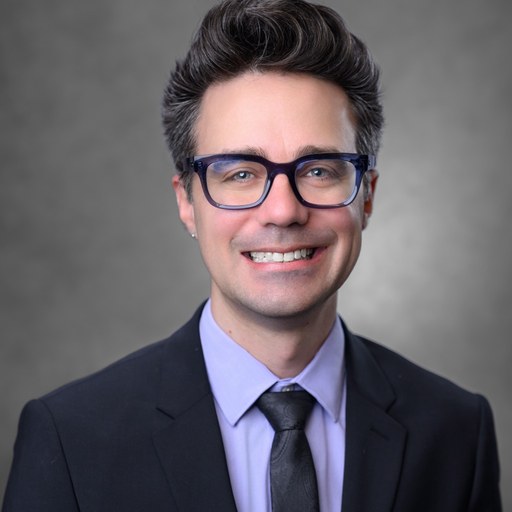
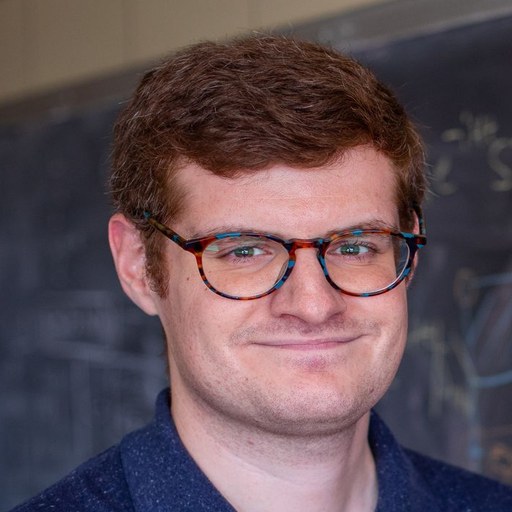
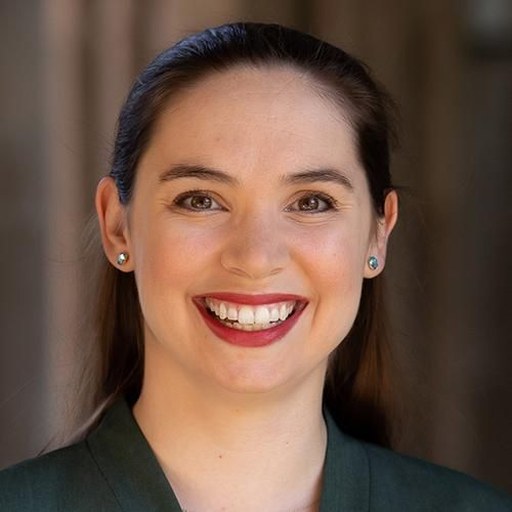
Conference organizers

The conference is organized by researchers across academia and industry working on adaptive quantum dynamics and quantum information.

Thomas Iadecola headshot

Thomas Iadecola

Penn State University

Crystal Noel headshot

Crystal Noel

Duke University

Maika Takita headshot

Maika Takita

IBM

Justin Wilson headshot

Justin Wilson

Louisiana State University

Logistics

Venue and travel

Location

Aspen Center for Physics 700 W. Gillespie Street Aspen, Colorado 81611

Dates

March 21–26, 2027

Travel, lodging, and local information will be coordinated through the Aspen Center for Physics and posted here as details become available.

Official ACP site: https://aspenphys.org/